
Listening Before Leading: What We’re Learning About Burnout in Education
Over the past few months, we’ve been doing something we wish we’d done sooner—slowing down and listening.
We’re working with a coach right now, and one of the most powerful lessons we’ve taken from that process is simple but profound:
Stop. Ask the question. Then actually listen to the response.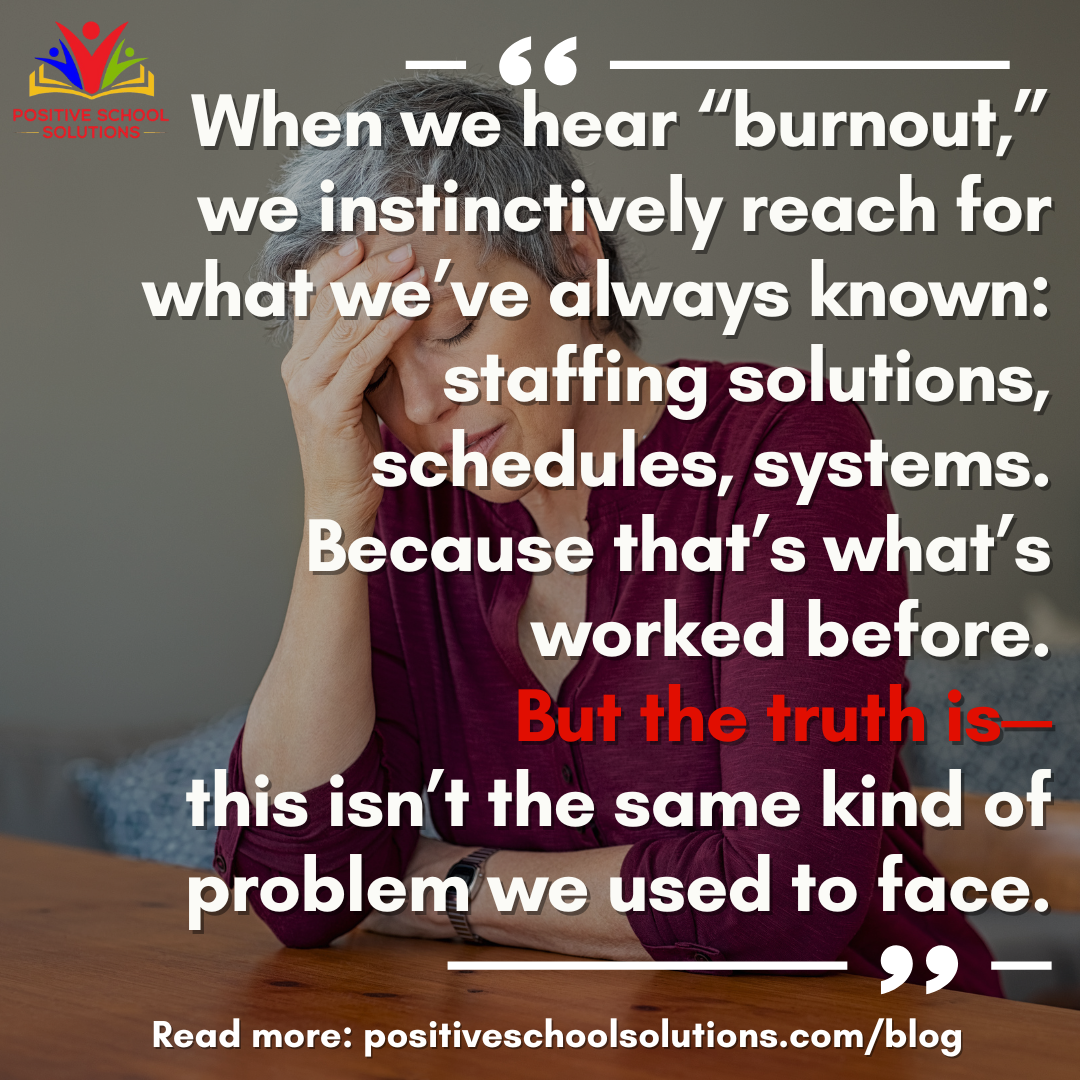
So we’ve been doing exactly that.
We’ve been sitting down with principals, assistant principals, and district leaders from across the country—just asking, “What’s really happening in your schools right now?”
And what we’re hearing again and again is heartbreakingly consistent:
- Morale is low.
- Teachers are exhausted.
- The joy that used to fill your hallways feels quieter.
Not gone—just quieter.
The Real Challenge Behind Low Teacher Morale and School Culture
Every leader we’ve spoken to cares deeply about their people.
You can hear the love and pride in their voices when they talk about their teams.
But you can also hear the weight they’re carrying.
There’s this shared sense that something feels “off” in school culture right now.
And when we ask what would help most—what they’d do if they had a magic wand—the answers are fascinating.
- “I’d hire an assistant principal.”
- “I’d add an instructional coach.”
- “I’d have more money for field trips.”
- “I’d bring someone in once a month to help our team set goals.”
Every single answer is thoughtful.
Every single answer comes from experience.
But most of them don’t actually address the root of the problem.
And that’s not because leaders don’t understand their schools—it’s because no one has ever given them a tool for this kind of problem before.
Teacher Burnout in 2025: Why Old Leadership Tools Don’t Work Anymore
When we hear “burnout,” we instinctively reach for what we’ve always known: staffing solutions, schedules, systems.
Because that’s what’s worked before.
But the truth is—this isn’t the same kind of problem we used to face.
Burnout in 2025 looks different than burnout in 2015.
Back then, teachers were tired.
Now, they’re depleted.
They’re not just overwhelmed by workload—they’re struggling to find meaning in the middle of constant change. And as leaders, that reality weighs heavy, because you’re trying to hold up everyone—your teachers, your students, your community—and still keep your own energy and optimism intact.
If you’ve been reaching for the same tools that used to work and wondering why they’re not fixing what’s broken, it’s not because you’re doing something wrong.
It’s because those tools weren’t built for this.
A New Approach to Professional Development for School Leaders
When PD was first created, the goal was to improve instruction.
But the challenge we’re facing now isn’t just instructional—it’s emotional, cultural, and human.
Until now, there hasn’t been a structured way to build staff well-being as the foundation for professional growth.
So we built something different—Holistic PD.
It’s a three-branch model designed to support every person in a school community, because well-being has to be woven into the entire system, not just one role.
One of those three branches is the Lesson Plan for Life—a six-week experience that helps anyone in education reconnect with energy, clarity, and purpose. It’s powerful for teachers, support staff, and leaders alike.
But we know that change in schools starts with leadership.
So we’re offering school leaders the chance to experience just this one branch—the Lesson Plan for Life—for $1,000.
If it doesn’t make a meaningful difference for you, that’s the full cost.
If it does—if you feel the shift we’ve seen again and again—
we’ll credit that same $1,000 toward a future whole-school Holistic PD rollout.
Because real culture change starts the moment leaders feel the shift themselves.
Staff Well-Being: The Foundation of a Thriving School Culture
We don’t need another program.
We need a new way of thinking about professional growth—one that starts with the people, not the paperwork.
If the tools you’ve used in the past aren’t working, it’s not because you’re missing something.
It’s because the world of education has changed—and now, finally, so have the tools.
Learn more about Lesson Plan for Life for Leaders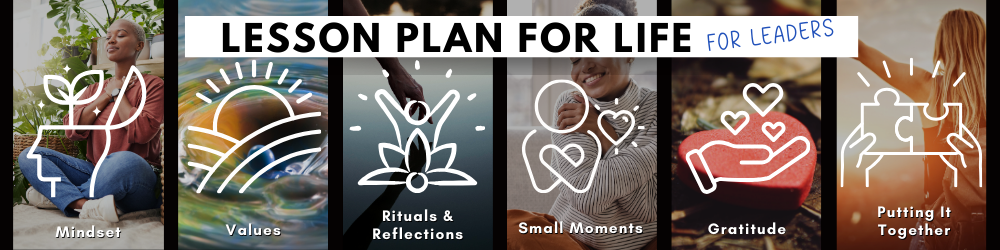
Because the first step to rebuilding culture isn’t about doing more.
It’s about doing something different.
Written by Sarah Fillion 2025